
Olluquito with Charqui
100% Andean Dish

Olluquito with Charqui
Ancestral Flavors of the Andes

A traditional stew with unique ingredients from the Peruvian highlands: olluco and charqui

5000+ Years History
100% Andean Ingredients
Inca Origin
Discover
What is Olluquito with Charqui?
ANCESTRAL
Inca Heritage

What is Olluquito with Charqui?

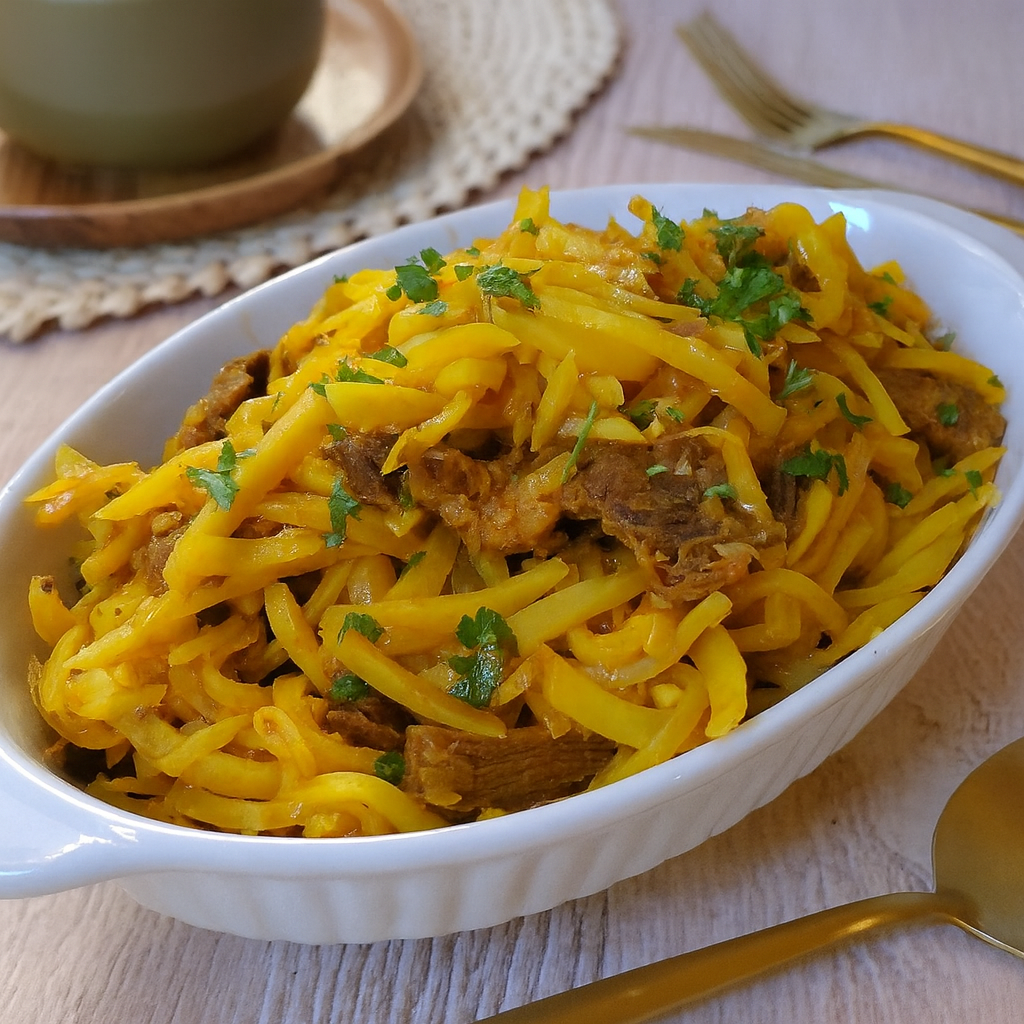
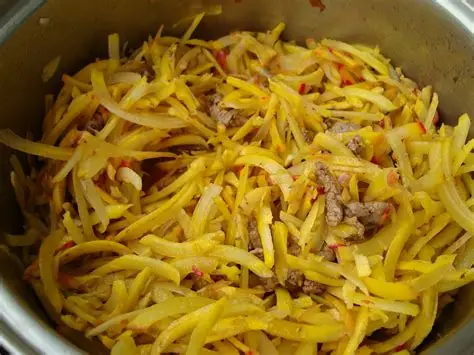
Olluquito con Charqui is a traditional Peruvian stew that represents authentic pre-Columbian Andean cuisine. It combines two unique ingredients from the Andes: olluco (Ullucus tuberosus), a colorful and nutritious tuber cultivated since Inca times, and charqui, llama, alpaca or beef meat dehydrated using ancestral preservation techniques.

This dish is a window into the past that connects us directly to the Inca civilization. Olluco was one of the staple foods of Tahuantinsuyo along with potatoes, quinoa, and corn. Charqui (from which the English word "jerky" derives) was the Incas' way of preserving meat for their long journeys along the Qhapaq Ñan (Inca Trail). Today, this dish is still popular in Cusco homes for its unique flavor and nutritional value.
100% pre-Columbian Andean ingredients
Inca Conservation Technique (Charqui)
High protein and nutritional value
Unique, earthy and authentic taste
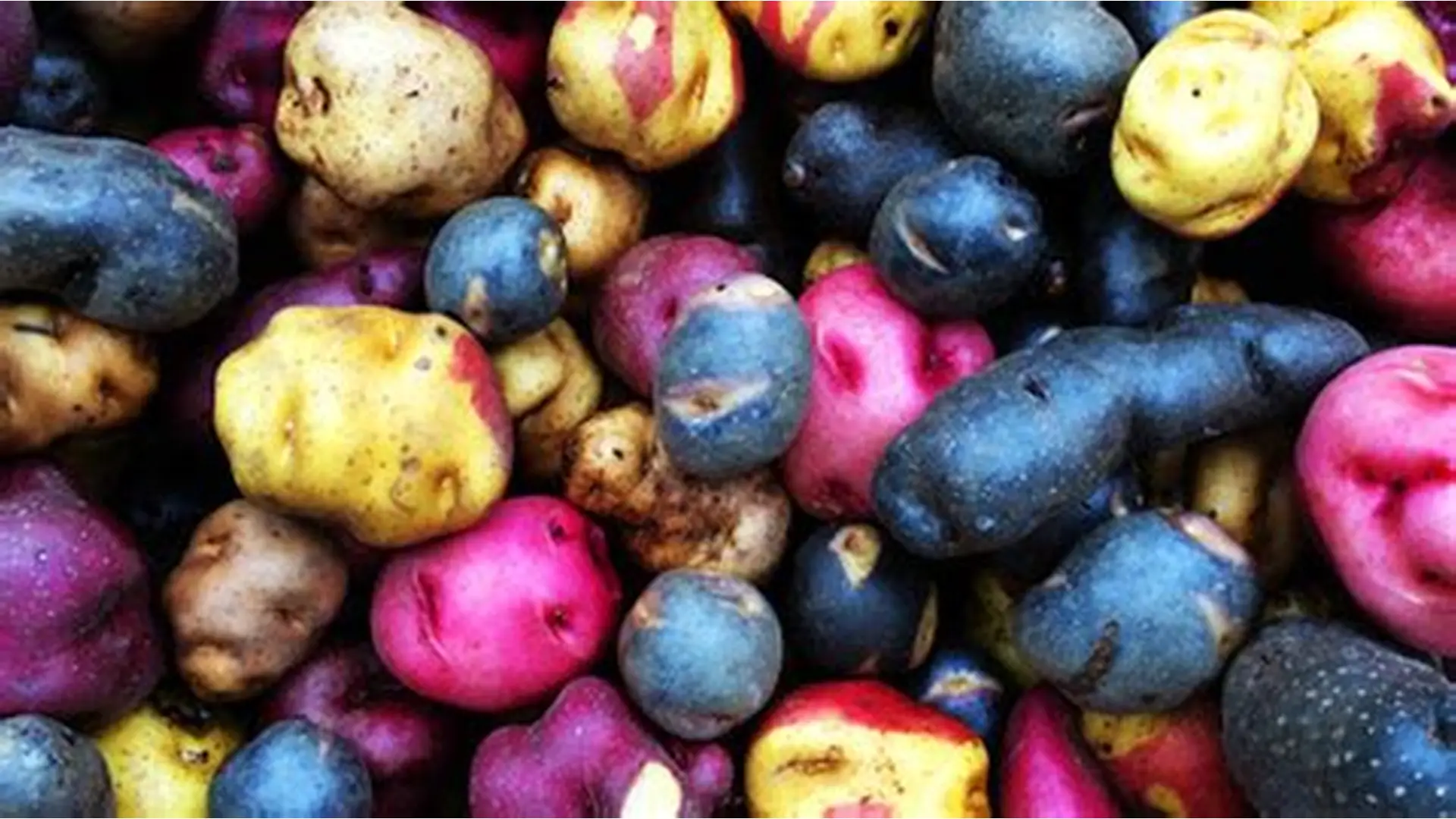
Olluco: colorful Andean tuber
Charqui: dehydrated meat
Prep: 45-60 minutes
Traditional Recipe

How to Prepare Olluquito with Charqui

The traditional step-by-step recipe to achieve the authentic Andean flavor

Step 1: Hydrate the Charqui

Charqui should be soaked in warm water for 2-3 hours (or overnight) to rehydrate it and remove excess salt. Change the water 2-3 times while soaking. Once hydrated, the jerky is crumbled or cut into small strips. If you use very hard charqui, you can boil it for 20-30 minutes until it is tender. The aim is for the meat to regain a soft texture while maintaining its characteristic intense flavour.

Step 2: Prepare the Olluco

Ollucos are washed well and peeled (some do not peel if they are very fresh). They are cut into thin julienne strips (5 cm x 0.5 cm strips). It is important to cut them all the same size for even cooking. Some cooks soak them in salted water for 10 minutes so they don't darken. The olluco should be crispy al dente, not too soft. If it is overcooked, it loses its characteristic texture.

Step 3: Andean Dressing

In a pot with hot oil, make a dressing by sautéing: ground garlic, finely chopped onion, ground yellow pepper or panca, cumin, pepper and salt. This dressing is the basis of flavor. Some add achiote for deep reddish color. Cook until the onion is translucent and the chili pepper releases its aroma (5-7 minutes). The dressing should be thick, not watery. The secret is to sauté all the ingredients well.

Step 4: Cook the Charqui

Add the shredded jerky to the dressing and sauté for 3-4 minutes to absorb all the flavors. Add 1 cup of beef broth or hot water and cook covered for 10-15 minutes until the jerky is completely tender. If you use fresh meat instead of jerky, this step takes only 5 minutes. The liquid should be reduced to form a concentrated sauce that coats the meat.

Step 5: Incorporate the Olluco

Add the olluco cut into juliennes and mix gently. Add another little broth or water if it is very dry. Cook over medium heat for 12-15 minutes, stirring occasionally to prevent sticking. The olluco should be al dente (crispy but cooked), not mushy. Some add fresh peas or diced potato for consistency. Adjust salt and pepper to taste. Add chopped coriander or parsley at the end.

Step 6: Serve

The Olluquito with Charqui is served hot accompanied by grained white rice, which contrasts perfectly with the intense flavor of the stew. It can also be served with parboiled potato or mote blanco. Some accompany it with fried egg on top ("a lo pobre" style). On the table there should be homemade hot pepper and lemon. It's a hearty dish perfect for lunch. The people of Cusco consider it an ideal "food of strength" for farm workers.

History of Olluco
PRE-COLUMBIAN
Food Heritage

History of Olluco and Charqui

The Olluco in the Tahuantinsuyo

Olluco has been cultivated in the Andes for more than 5,000 years. The Incas considered it one of the "four treasures" along with the potato, goose and mashua. They cultivated it on agricultural terraces (andenes) between 3,000 and 4,000 meters of altitude where other crops do not thrive. The olluco was a fundamental part of the Inca diet due to its resistance to frost and its ability to grow in poor soils. The Incas also dried olluco (chuño de olluco) to store it for years.

El Charqui: Inca Conservation Technology

Charqui is one of the greatest technological achievements of the Incas in food preservation. They developed a perfect method of dehydration that allowed meat to be preserved for years without refrigeration. The chasquis (Inca messengers) carried charqui on their long journeys along the Qhapaq Ñan. The Inca armies used it as a field ration. When the Spaniards arrived, they were impressed with this technique and adopted it, later taking it to Europe where the term "jerky" originated.

The Plate Today

Today, Olluquito with Charqui is considered an emblematic dish of Peruvian Andean cuisine and a symbol of cultural resistance. While many pre-Columbian ingredients were replaced by European products during the colony, olluco and charqui remained in the Andean diet. Currently, Peru is the world's leading producer of olluco, growing more than 30 varieties. The dish has been recognized by international chefs such as Gastón Acurio and Virgilio Martínez as representing the authentic Inca cuisine that survived to this day.

Andean Gastronomic Experience

Do You Want to Get to Know the Authentic Inca Cuisine?

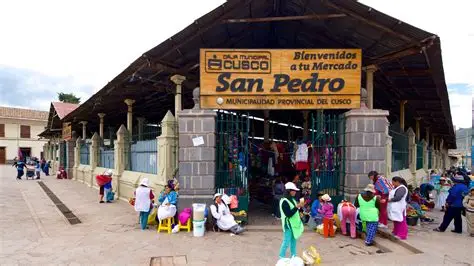
Join our Andean food tour. Visit traditional markets, learn about olluco and charqui in their natural form, participate in a cooking class preparing Olluquito with Charqui and taste other ancestral dishes. Includes full lunch, San Pedro market, cooking class and expert guide in Andean gastronomy.

Cooking Class
Market Tour
Certificate + Recipes
Book now with a discount!