
Guinea Pig Crushed 2025
Emblematic Dish of Cusco

Cuy Chactado
The King of Andean Gastronomy

The most representative dish of Cusco cuisine with an ancestral preparation technique

500+ Years Tradition
Loud Protein
100% Ancestral
Discover
What is the Cuy Chactado?
EMBLEMATIC
Gastronomic Heritage

What is the Cuy Chactado?

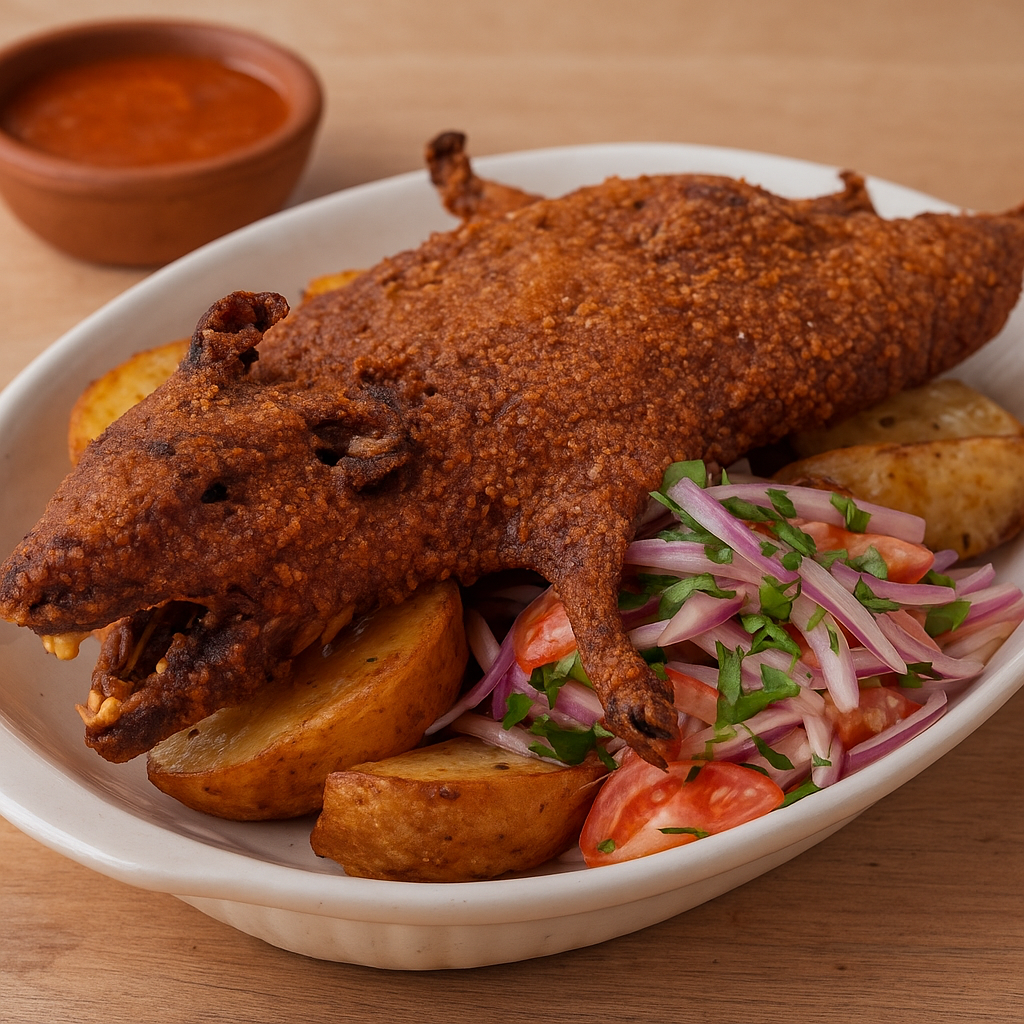
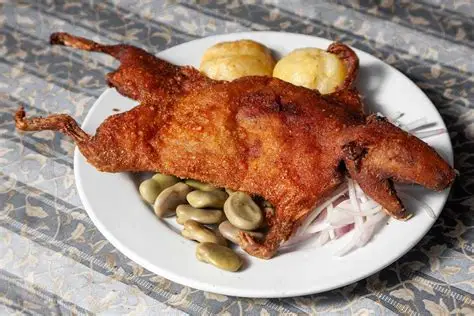
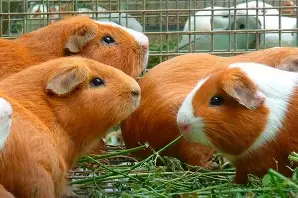
The Cuy Chactado is the most emblematic dish of Cusco gastronomy and one of the most representative of Peruvian Andean cuisine. The word "chactado" comes from Quechua and means "crushed", referring to the ancestral technique of placing a hot flat stone on the guinea pig while it is fried to achieve a perfect crunchy texture.

This dish has pre-Columbian roots, since the guinea pig was one of the most important foods in the Inca diet due to its high protein value. Today, the Cuy Chactado has become a delicacy that every visitor must try at least once. It is served with golden potatoes, hot pepper, fresh salad and toasted corn, creating an explosion of Andean flavors.

Ancestral technique with hot stone
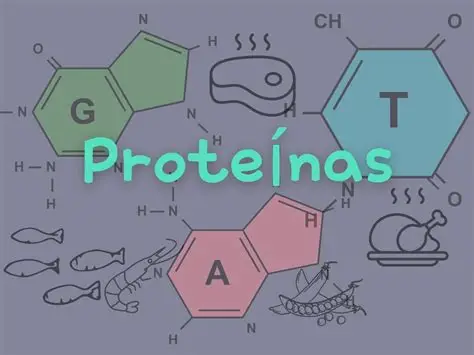
High protein (21g per 100g)
Low in cholesterol and fat
Pre-Columbian origin (Inca period)
Whole guinea pig (300-350g)
Prep: 40-50 minutes
Spicy level: moderate
The Best Places

Where to Try the Best Cuy Chactado

These are the most recognized restaurants for their authentic Cuy Chactado in Cusco

Chicha by Gastón Acurio

One of the most prestigious restaurants in Cusco. It offers Cuy Chactado with a gourmet presentation but respecting the traditional recipe. The guinea pig comes from certified local farms. Cozy atmosphere in a colonial house. Price: S/. 75-90. Location: Plaza Regocijo 261. Reservations recommended. It also has vegetarian options of Andean cuisine.

Cuy Chactado de Doña Tere

Traditional family restaurant in San Blas. Doña Tere prepares the guinea pig following her grandmother's recipe. It is cheaper (S/. 50-60) and very authentic. The atmosphere is simple but the food is exceptional. Favorite place of the people of Cusco. They don't have an extensive menu but what they do, they do it perfectly. It is open only for lunch from Thursday to Sunday.

Kusicoyllor

Restaurant overlooking the valley in Sacsayhuamán. Specialized in traditional Andean food. Their Cuy Chactado is prepared on a wood-burning stove as in the old Cusco houses. The taste is smoky and special. Price: S/. 65-80. Includes folk dance show on weekends. Perfect for tourists who want the full experience.

San Pedro Market

For adventurers looking for the most authentic and economical experience (S/. 35-45). On the second floor of the market there are several stalls that prepare fresh Cuy Chactado daily. The atmosphere is very local and the taste is 100% traditional. It is where the people of Cusco eat. Open from 8:00 am to 4:00 pm. Hygienic and controlled by the municipality.

Pacha Papa

Located in the neighborhood of San Blas in a beautiful house. It offers Cuy Chactado with native colored potatoes (yellow, purple, white). Artistic presentation and exceptional taste. Price: S/. 70-85. They have a traditional clay oven in sight. Romantic atmosphere with interior patio. They also offer tours to their guinea pig farms in Urubamba.

The Gringo's Stove

Country restaurant in the Sacred Valley (Urubamba). The Cuy Chactado is prepared on the spot with guinea pigs from its own farm. You can see the entire preparation process. Price: S/. 60-75. Very cozy family atmosphere. Ideal to make a stop on the way to Ollantaytambo. Includes visit to the guinea pig farm at no additional cost.

History of the Guinea Pig in Peru
ANCESTRAL
Cultural heritage

History of the Guinea Pig in Andean Culture

Pre-Columbian Era

The guinea pig (Cavia porcellus) has been bred in the Andes for more than 5,000 years. For the Incas, the guinea pig was a sacred animal used in religious ceremonies and traditional healings. Andean healers (shamans) used guinea pig for spiritual "cleansing," rubbing the live animal over the patient's body. It was also a food reserved for the Inca nobility for its high nutritional value.

Colonial Era and Republic

During the colony, the Spanish initially refused to eat guinea pig because they considered it a "rodent". However, over time, the technique of "chactado" (stone pressure) became popular in cities such as Arequipa, Cajamarca and Cusco. In the twentieth century, the Cuy Chactado became a symbol of regional identity and gastronomic pride. Each region developed its own version of the recipe.

Actuality and Recognition

Today, guinea pig is recognized by the FAO (Food and Agriculture Organization of the United Nations) as a sustainable source of high-quality protein. The Cuy Chactado has been featured on international cooking shows and Peruvian chefs include it in their menus as a representative of Andean cuisine. Peru consumes approximately 65 million guinea pigs per year, with Cusco, Arequipa and Cajamarca being the regions with the highest consumption and production.

Food Tour

Do You Want to Try the Authentic Cuy Chactado?

Join our Cusco food tour. Includes tasting of Cuy Chactado in the best restaurants, visit to guinea pig farm, traditional cooking class and recipes to take home.

Tasting included
Cooking Class
Expert Guide
Book now with a discount!