
Chicharrón Cusqueño
Traditional Sunday Breakfast

Chicharrón a la Cusqueña
El Desayuno de los Domingos

The most popular dish on Sundays in Cusco with Oropesa bread and Andean mote

400+ Years Tradition
Dom Special Day
6AM From Early
Discover
What is Chicharrón Cusqueño?
SUNDAY
Family Tradition

What is Chicharrón a la Cusqueña?

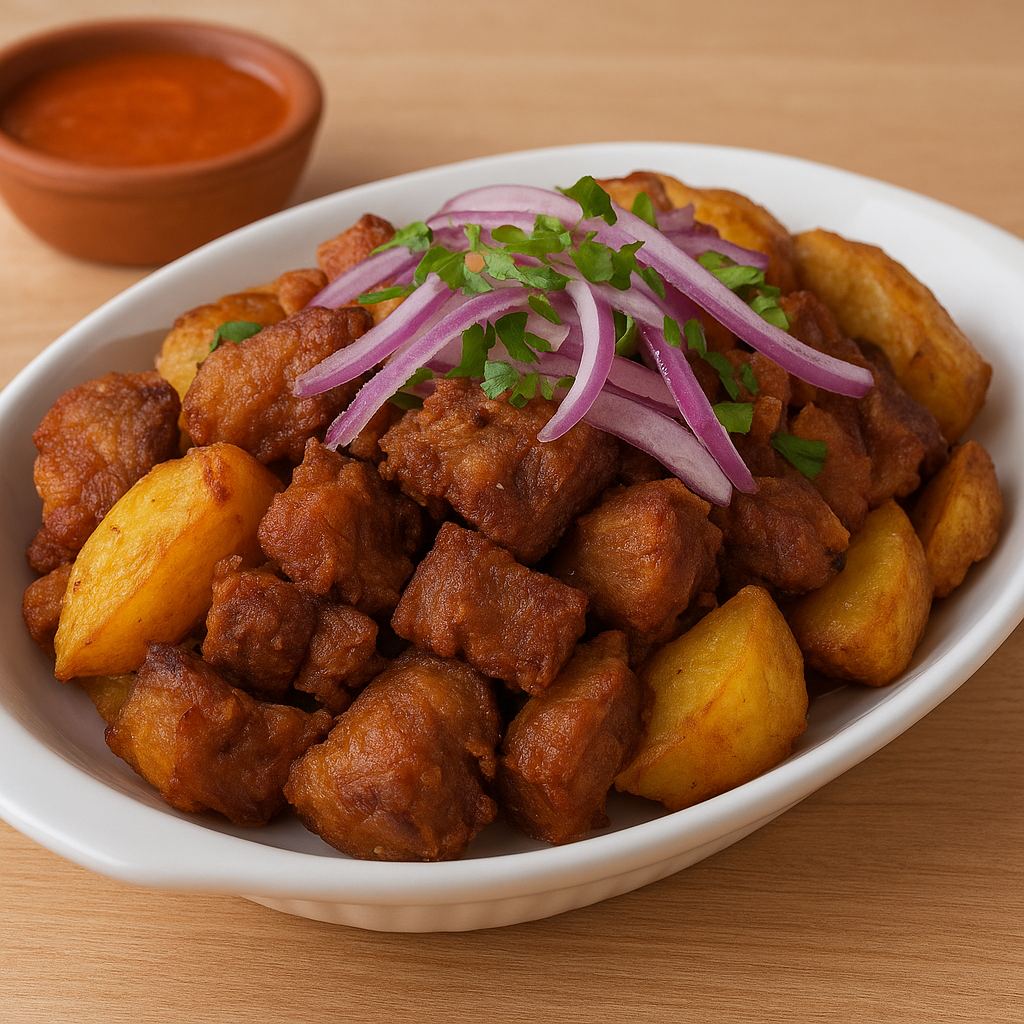
Chicharrón a la Cusqueña is the Sunday breakfast par excellence in all of Cusco. This delicious dish consists of pieces of pork with skin, slowly fried in its own fat until it reaches a crispy texture on the outside and juicy on the inside. What makes the Cusco chicharrón special is its traditional preparation and the typical accompaniments.

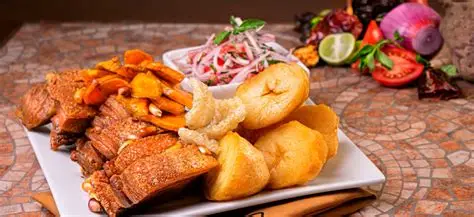
Every Sunday morning, from 6:00 AM, the aroma of freshly fried chicharrón fills the streets of Cusco. Cusco families line up at their favorite chicharronerías to take this delicacy home. It is served with mote (cooked Andean corn), freshly baked Oropesa bread, spicy Creole sarsa, and sometimes fresh lettuce. It is a tradition that unites generations and represents the culinary identity of Cusco.
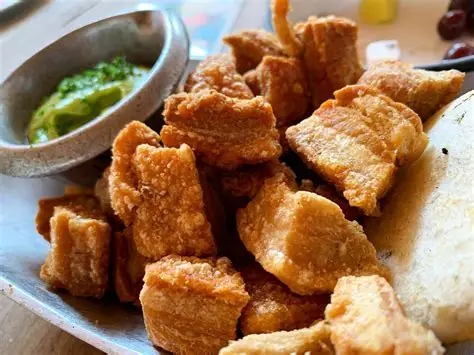
Fried pork with crispy golden skin
Slow cooking in its own fat
Accompanied by mote and bread from Oropesa
Tradition of more than 400 years
Pork with skin (bacon or rib)
Preparation: 2-3 hours cooking
Special: Sundays from 6:00 AM
Essential Side Dishes

Traditional accompaniments

You can't eat chicharrón without these accompaniments that complete the experience

Oropesa Bread

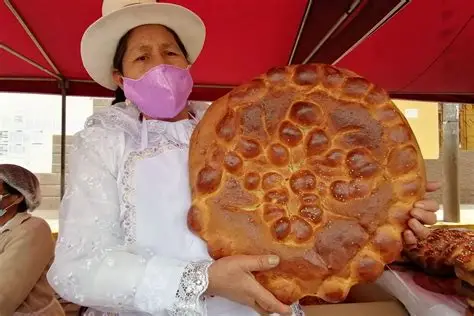
Oropesa bread is a traditional bread from the village of Oropesa (30 km from Cusco) baked in clay ovens with wood. It has a crispy crust and fluffy crumb perfect for soaking up the juice from the pork rinds. Bakers bake from 4:00 AM to have fresh bread at breakfast time. It is round, large, and slightly sweet in flavor. The people of Cusco say that the chicharrón without bread from Oropesa "is not the same."

Andean Mote

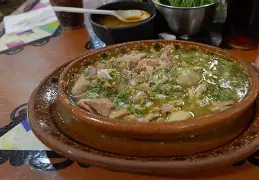
The mote is giant white corn cooked until soft but textured. It is prepared by soaking corn overnight, then cooked with ash or lime to remove the husk (a process called "peeling"). The result is a large, white, soft grain with a neutral flavor that balances the fat of the pork rinds. It is rich in fiber and carbohydrates. Essential on the Cusco table.

Sarsa Criolla

The sarsa criolla is a spicy salad of red onion in thin juliennes, chili pepper (or rocoto) in strips, chopped coriander, lemon juice and salt. Let it marinate for 10 minutes so that the onion loses its strong flavor. The spiciness of the chili pepper and the acidity of the lemon cut the fat of the pork rinds creating a perfect balance. Some add tomato and mint. It is the most important garnish.

Fresh Lettuce

Fresh and crunchy curly lettuce leaves serve as a "bed" for the pork rinds. They bring freshness and a touch of lightness to a hearty dish. The lettuce is washed well and drained completely. Some dress it lightly with lemon and salt. It also works as a "natural utensil" to wrap the pieces of pork rinds and mote before eating them.

Tea or Emollient

To accompany the chicharrón, the people of Cusco drink hot tea (made of Andean herbs such as muña, coca or anise) or emollient (hot drink of barley, herbs and lemon). These hot drinks aid the digestion of such a fatty dish. The temperature contrast also enhances the flavors. You never drink cold drink with pork rinds, it is part of the tradition.

Lemon and Chili

Fresh lemons cut into halves and homemade chili pepper (rocoto or ground yellow chili pepper with onion and coriander) are always on the table. Each diner dresses their pork rinds to their liking. The lemon provides acidity that cuts the fat, while the chili pepper gives the characteristic spicy touch. Cusqueños are usually generous with both condiments to enhance all the flavors.

History of Chicharrón
COLONIAL
Tradition of Centuries

History of the Chicharrón Cusqueño

Colonial Era (XVI-XVII Century)

Chicharrón arrived in Peru with the Spaniards in the sixteenth century. Originally it was a way of preserving pork without refrigeration, frying it in its own fat. The Spaniards prepared it in large peroles (metal pots) and sold it in the main squares. In Cusco, this tradition was fused with Andean ingredients such as mote and ají, creating a unique version that differed from the Spanish or Mexican chicharrón.

The Sunday Tradition

Over time, chicharrón became the special Sunday breakfast, day of rest and family reunion. Cusco families began the tradition of getting up early, going to mass and then buying freshly fried pork rinds to share at home. This custom is maintained to this day. On Sunday mornings, the streets of Cusco smell of chicharrón and the chicharronerías are full of entire families lining up.

Today's Chicharrón

Currently, the Cusco chicharrón is considered one of the most representative breakfasts of Peruvian Andean gastronomy. It has been featured on international cooking shows and is part of tourist food tours. However, for the people of Cusco it is still a family dish, domestic and deeply linked to their roots. Each chicharronería has its "secret seasoning" inherited for generations, making each place have a unique and unmistakable flavor.

Sunday Food Tour

Do You Want to Experience an Authentic Cusco Sunday?

Join our Sunday food tour. Departure 6:00 AM to try chicharrón in the best chicharronerías, visit to the town of Oropesa, tasting of freshly baked bread and tour of traditional markets. Includes full breakfast and local guide.

Tasting included
Private Transportation
Local Guide
Book now with a discount!