

Cusco Marinade
The "Dead Raiser"

Adobo Cusqueño
Breakfast of Champions

The aromatic pork stew marinated in chicha de jora that cures even the worst hangover

Home Special Day
5AM From Early
Colonial Origin
Discover
What is Adobo Cusqueño?
RAISES DEAD
Sunday Tradition

What is Adobo Cusqueño?

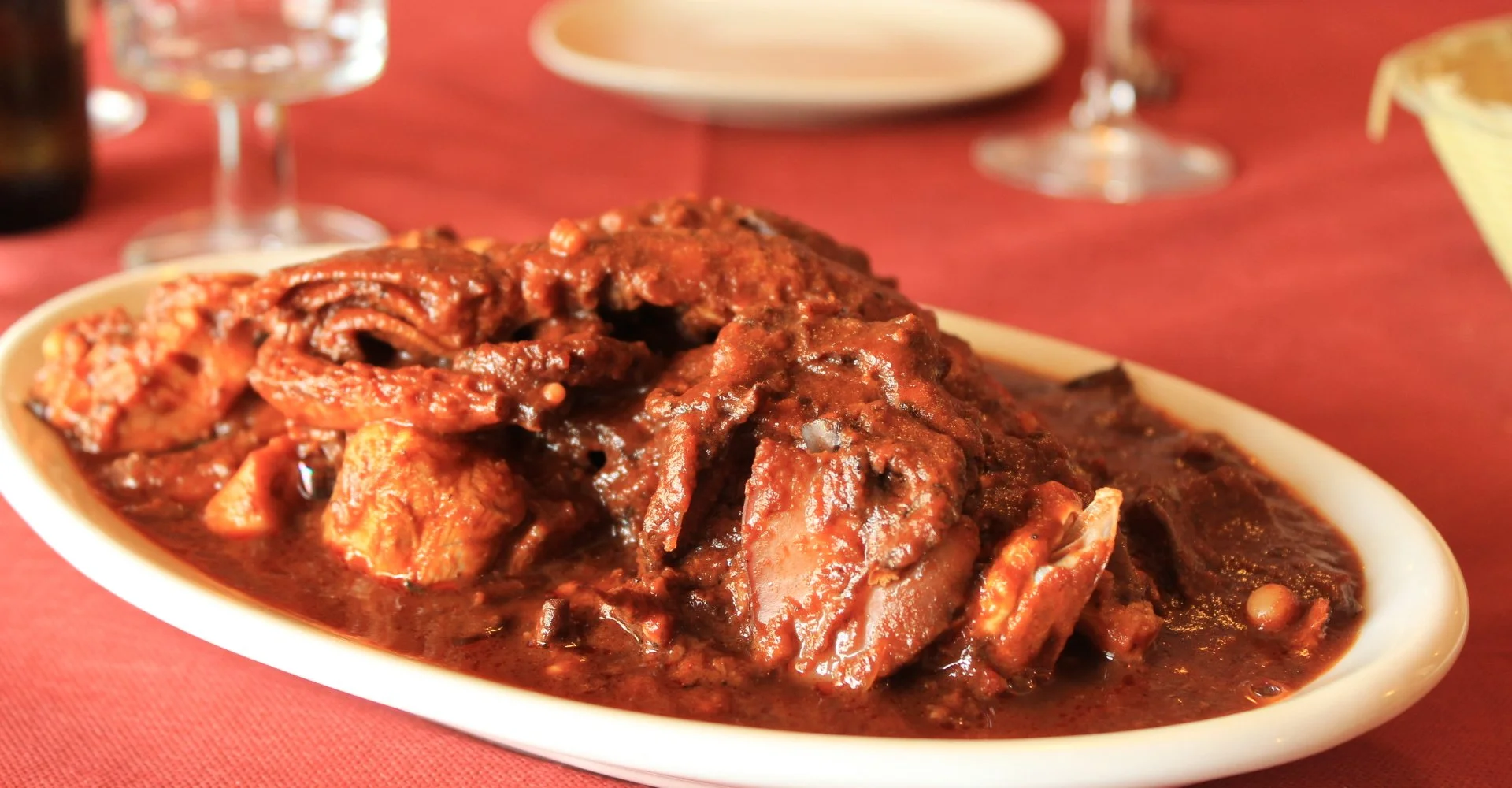
Adobo Cusqueño is a traditional pork stew marinated in chicha de jora (fermented corn drink), ají panca, Andean spices and cooked slowly until it reaches a thick and aromatic consistency. It's the quintessential Sunday breakfast in Cusco, especially popular after Saturday night parties, hence its affectionate nickname of "raise the dead."

From 5:00 AM every Sunday, the unmistakable aroma of adobo fills the streets of Cusco. Traditional adoberías open their doors to serve this comforting dish that, according to the people of Cusco, has magical properties to cure hangovers. It is served hot with freshly baked Oropesa bread, perfect for dipping in the reddish and aromatic sauce. It is a social ritual that brings together families, friends and neighbors every Sunday.
Marinated in chicha de jora 12-24 hours
Slow cooking 3-4 hours in crock pot
Aroma penetrante e inconfundible
Tradition of more than 300 years
Bone-in pork (rib or leg)
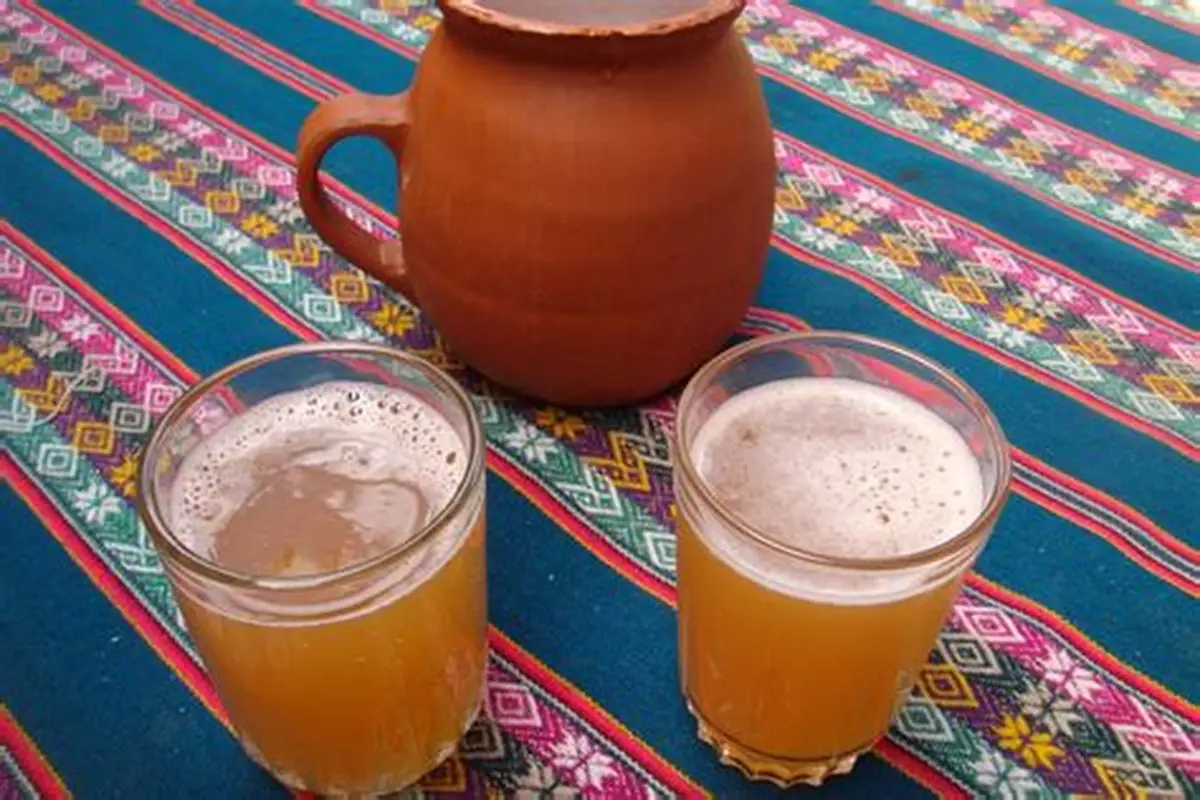
Essential Chicha de jora
Total preparation: 16-24 hours
Traditional Recipe

How to prepare Cusco marinade

The authentic recipe takes time and patience - there are no shortcuts to true marinade

Step 1: Prepare the Meat

Pork with bone is chosen, preferably rib, leg or bracelet. The meat is cut into medium pieces (5-7 cm) leaving the bone because it adds flavor and gelatin to the broth. Some also cut the skin into strips because it becomes soft and gelatinous when cooked. The meat should have some fat so that it does not dry out. It washes well and drains completely before marinating.

Step 2: Marinating (12-24 hours)

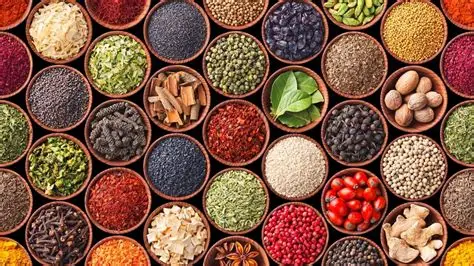
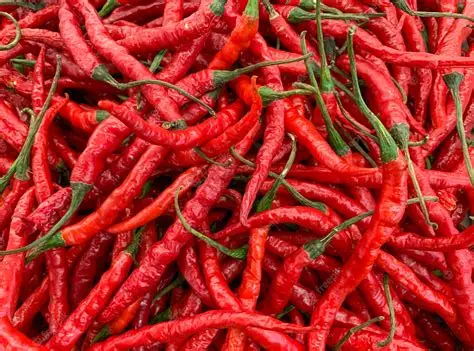
In a large bowl, mix: 2 cups of chicha de jora, ground chili pepper, crushed garlic, cumin, pepper, oregano, salt and a touch of vinegar or lemon. Add the meat and mix well so that each piece is coated. Cover and refrigerate for at least 12 hours, ideally 24 hours. During this time, turn the meat 2-3 times so that it marinates evenly. The long marinade is crucial for the pungent flavor.

Step 3: Slow Cook (3-4 hours)

Traditionally it is cooked in a clay pot on a wood stove, but it works in a normal pot. Pour everything (meat + marinade) into the pot. Add 1-2 more cups of chicha de jora, cloves, cinnamon sticks, coarsely chopped onion and bay leaves. Cook covered over very low heat for 3-4 hours. DO NOT stir too much so that the meat does not fall apart. The liquid should be reduced to form a thick dark red sauce.

Step 4: Perfect Point

The marinade is ready when: (1) The meat is so tender that it separates from the bone easily but does not fall apart completely, (2) The sauce is thick and shiny, deep dark red, (3) The fat from the pork rises to the surface forming a reddish layer, (4) The aroma is pungent and can be felt throughout the house. If the sauce is too runny, cook uncovered for 15-20 more minutes to reduce. Rectify salt.

Step 5: Serve Traditional

The marinade is served piping hot in deep dishes. The serving includes 2-3 pieces of meat with plenty of sauce. It is accompanied by freshly baked Oropesa bread (never toasted, it must be soft) to dip in the sauce. Some add a fried egg on top. On the table there should be extra ground chili pepper for those who want more heat and lemon cut into halves. It is eaten with a spoon to take advantage of all the sauce. Never with rice or potatoes.

Step 6: The Perfect Drink

The marinade is accompanied with emollient (hot drink of roasted barley, herbs, lemon and panela) or Andean herbal tea such as muña, coca or anise. The hot liquid helps digest fat and enhances the "anti-hangover" effect. Some drink chicha de jora cold but purists say it should be a hot drink. NEVER coffee with milk because it "clashes" with the marinade. This combination is sacred to the people of Cusco.

History of Adobo
TRADITION
Gastronomic Heritage

History of Cusco Adobo

Colonial Origin (Seventeenth Century)

The word "adobo" comes from the Old Spanish "adobar" which means to season or season. The Spanish brought the technique of marinating meat in spices and wine. But in Cusco, the indigenous people replaced European wine with chicha de jora, the sacred Inca drink. This fusion created the unique Cusco adobo, different from the Spanish, Mexican or Filipino adobo. Andean spices such as ají panca gave it its distinctive character.

The "Dead Raiser"

The nickname "raises the dead" comes from the colonial tradition of Saturday parties. After the nightly celebrations with alcohol, the people of Cusco learned that the hot marinade with its combination of proteins, fat, aromatic spices and fermented chicha relieved the symptoms of a hangover. Chicha de jora contains B vitamins that help metabolize alcohol. Spices stimulate the digestive system. And bread absorbs heartburn. Almost miraculous effect!

Current Tradition

Today, Cusco adobo is a fundamental part of Cusco's cultural identity. Every Sunday, families maintain the ritual of getting up early and going to their favorite marinade. It is a social moment where neighbors meet, business is done and the week is discussed. The adoberías are spaces of gastronomic democracy where rich and poor eat the same dish together. In 2019, the Municipality of Cusco declared the marinade as a Gastronomic Cultural Heritage of the region, protecting its traditional recipe.

Morning Food Tour

Do You Want to Experience an Authentic Cusco Sunday?

Join our Sunday food tour. Departure 5:30 AM to try adobo in the best adoberías, visit to the traditional market, tasting of chicha de jora, freshly baked Oropesa bread and tour of traditional neighborhoods. Includes full breakfast, emollient, and expert local guide.

Full Breakfast
Walking Tour
Small Groups
Book now with a discount!