
Qoyllur Rit'i 2025
Ancestral Pilgrimage

Qoyllur Rit'i 2025
Lord of the Snows

The most important pilgrimage in the Andes to the sanctuary of Sinakara under the snow-capped Ausangate

9-18 June 2025
4,600 M.S.N.M.
80K+ Pilgrims
Discover
What is Qoyllur Rit'i?
INTANGIBLE HERITAGE
Ritual Ancestral

What is Qoyllur Rit'i?

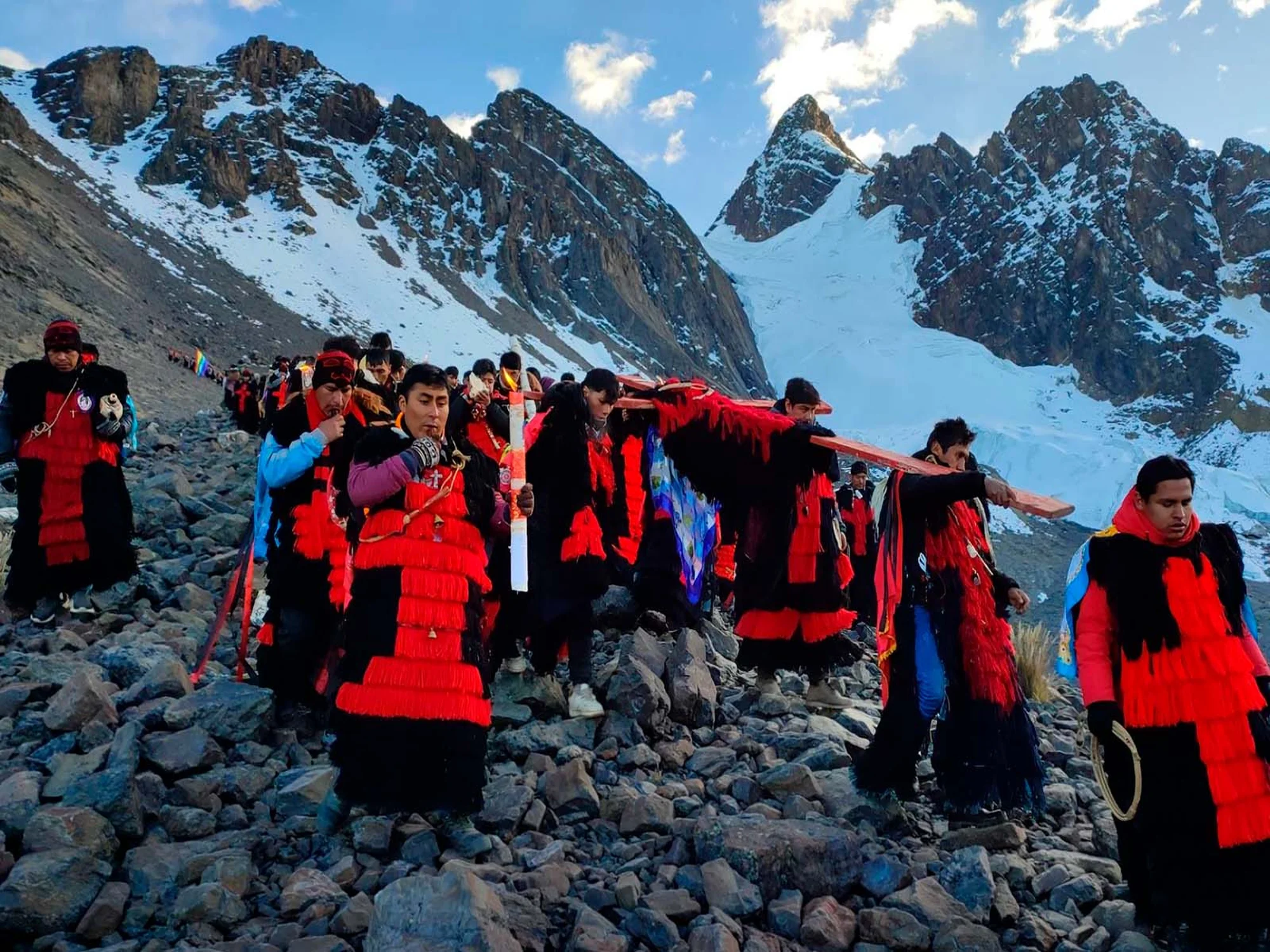
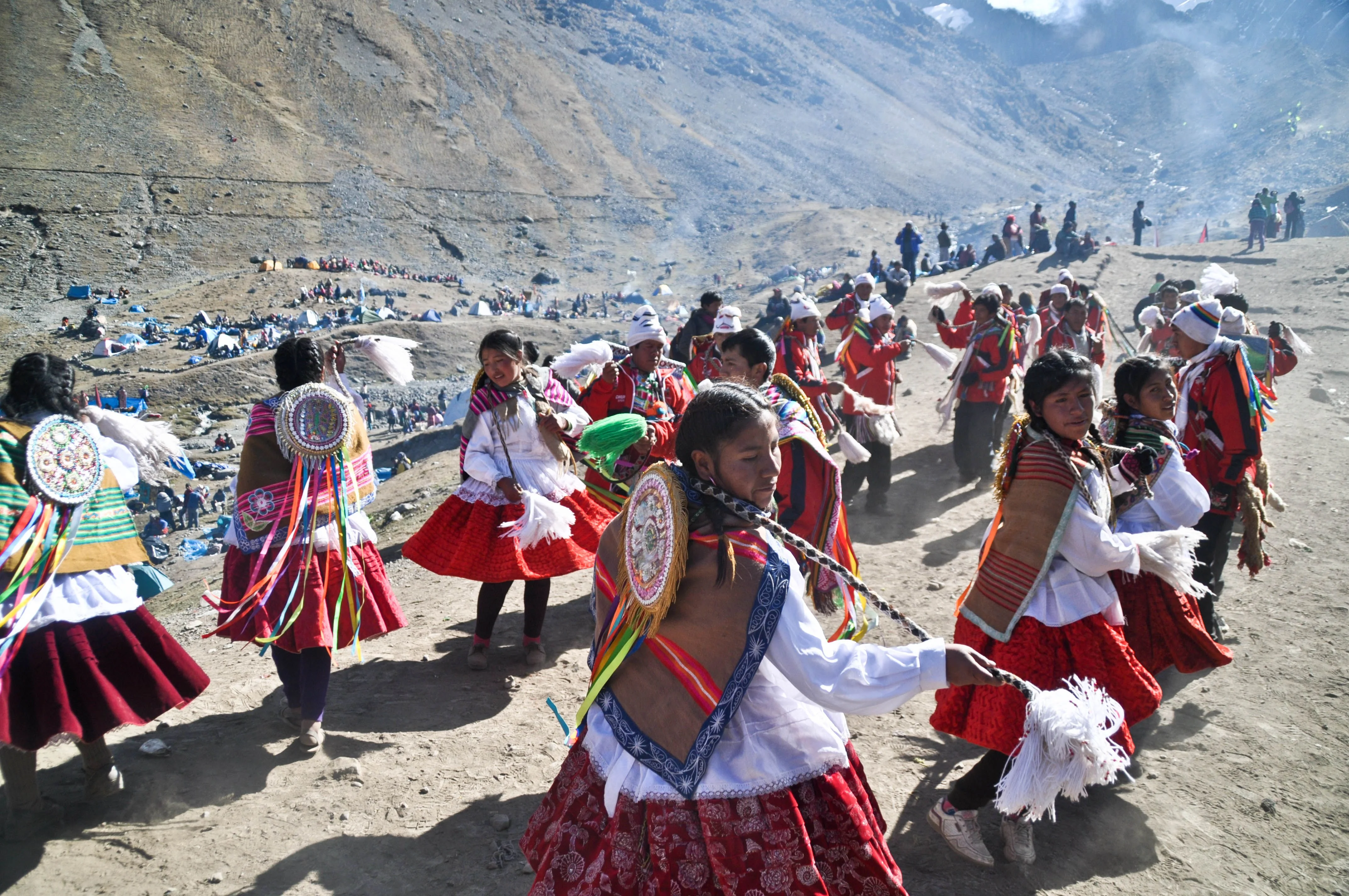
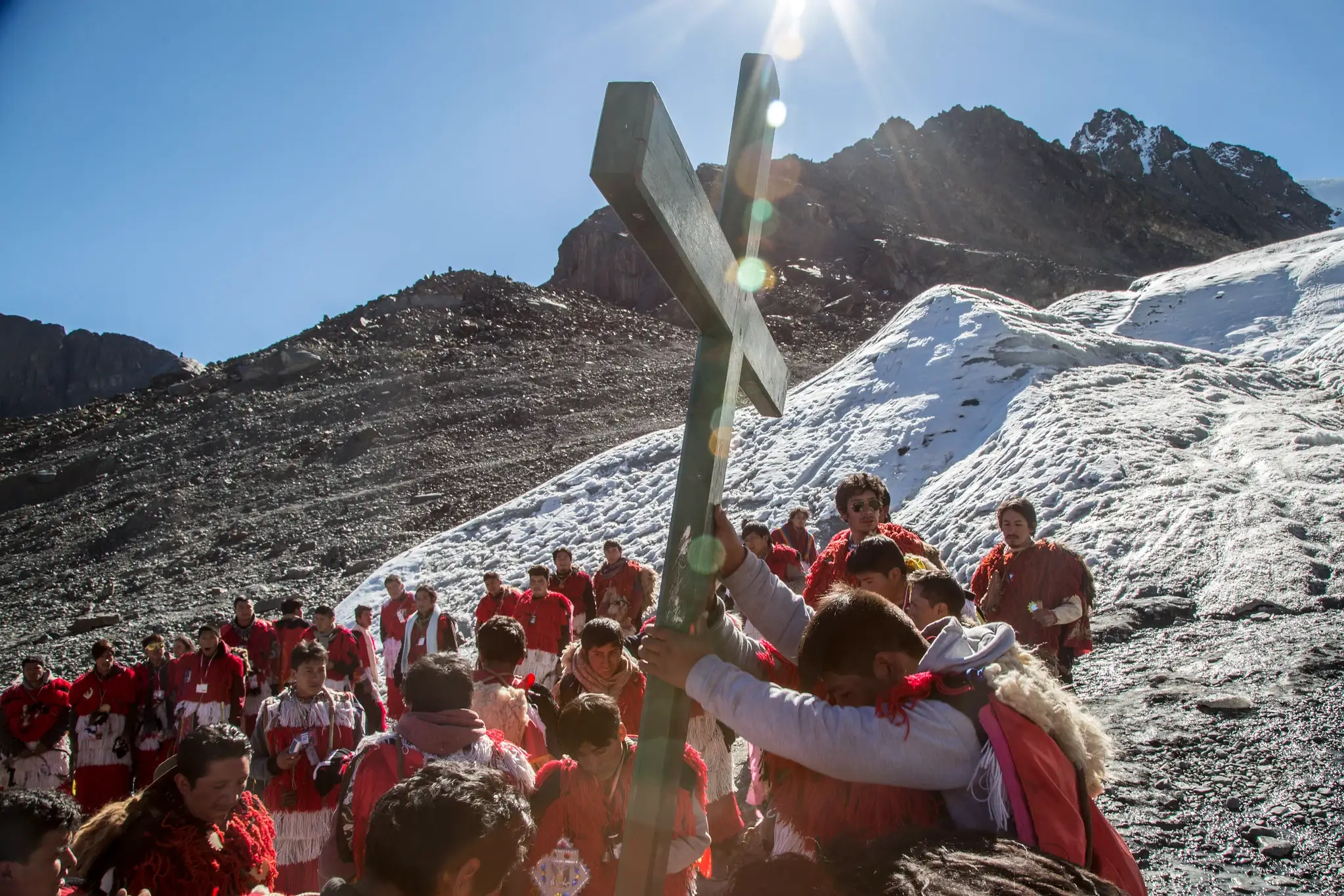
The Qoyllur Rit'i (which means "Snow Star" in Quechua) is the most important pilgrimage in the Andes. Thousands of devotees from different peasant communities ascend to the sanctuary of Sinakara, located at 4,600 meters above sea level at the foot of the snow-capped Ausangate, to worship the Lord of Qoyllur Rit'i.

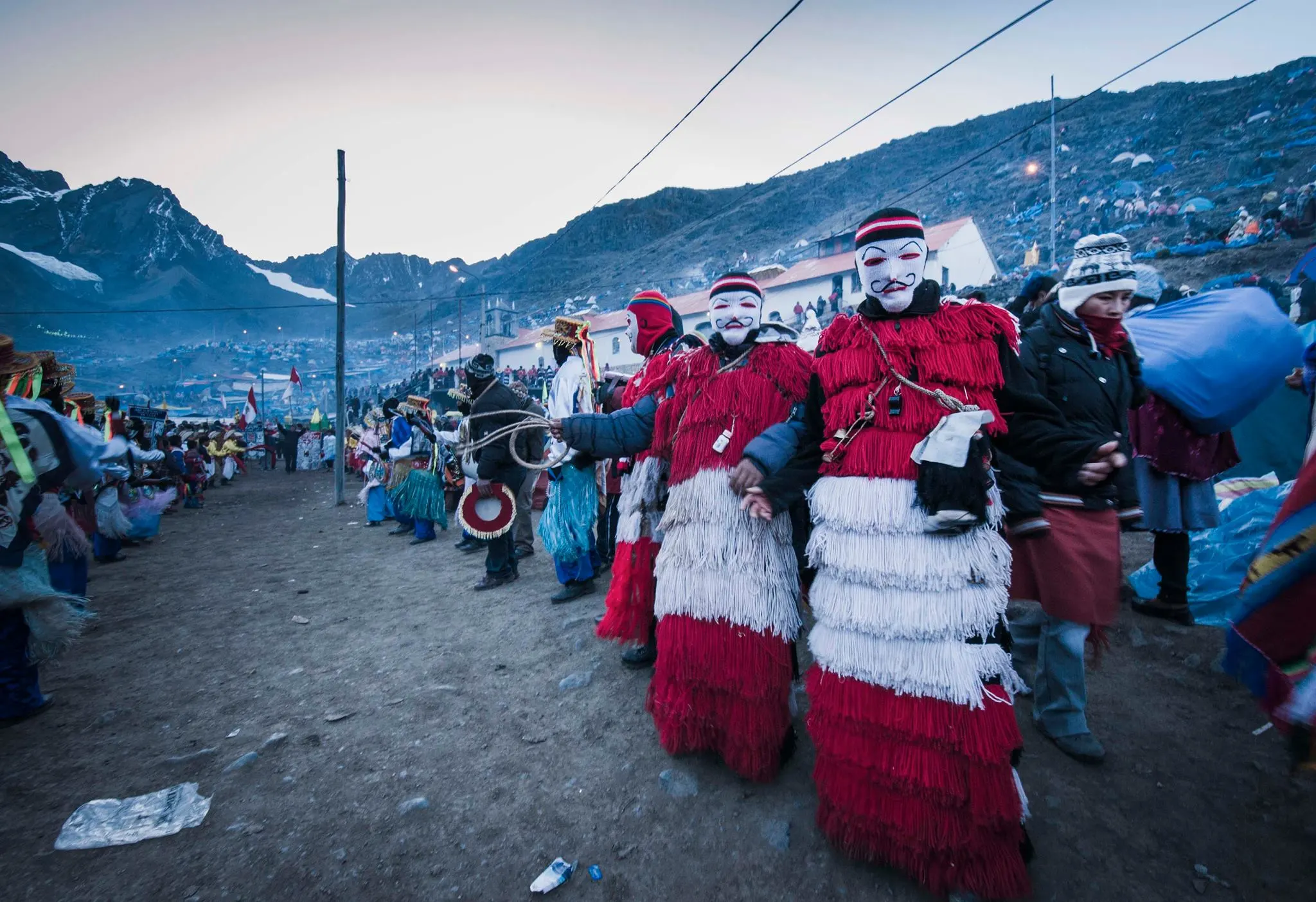
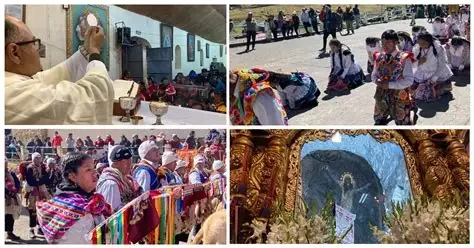
This unique festivity fuses the Catholic faith with the Andean worldview. Pilgrims walk for days, some even barefoot, as an act of devotion. The pilgrimage includes ancestral rituals, traditional dances of the "nations" (Andean ethnic groups), and a deep spiritual connection to the Apus (sacred mountains).

Declared Intangible Cultural Heritage of Humanity (UNESCO)
80,000+ pilgrims from all over Peru
Extreme altitude: 4,600 - 5,200 m.a.s.l.
Perfect fusion: Catholic faith + Andean worldview
9-18 June 2025 (before Corpus Christi)
Nevado Ausangate (6,384 m.s.n.m.)
Extreme weather: -10°C to 15°C
Andean Villages

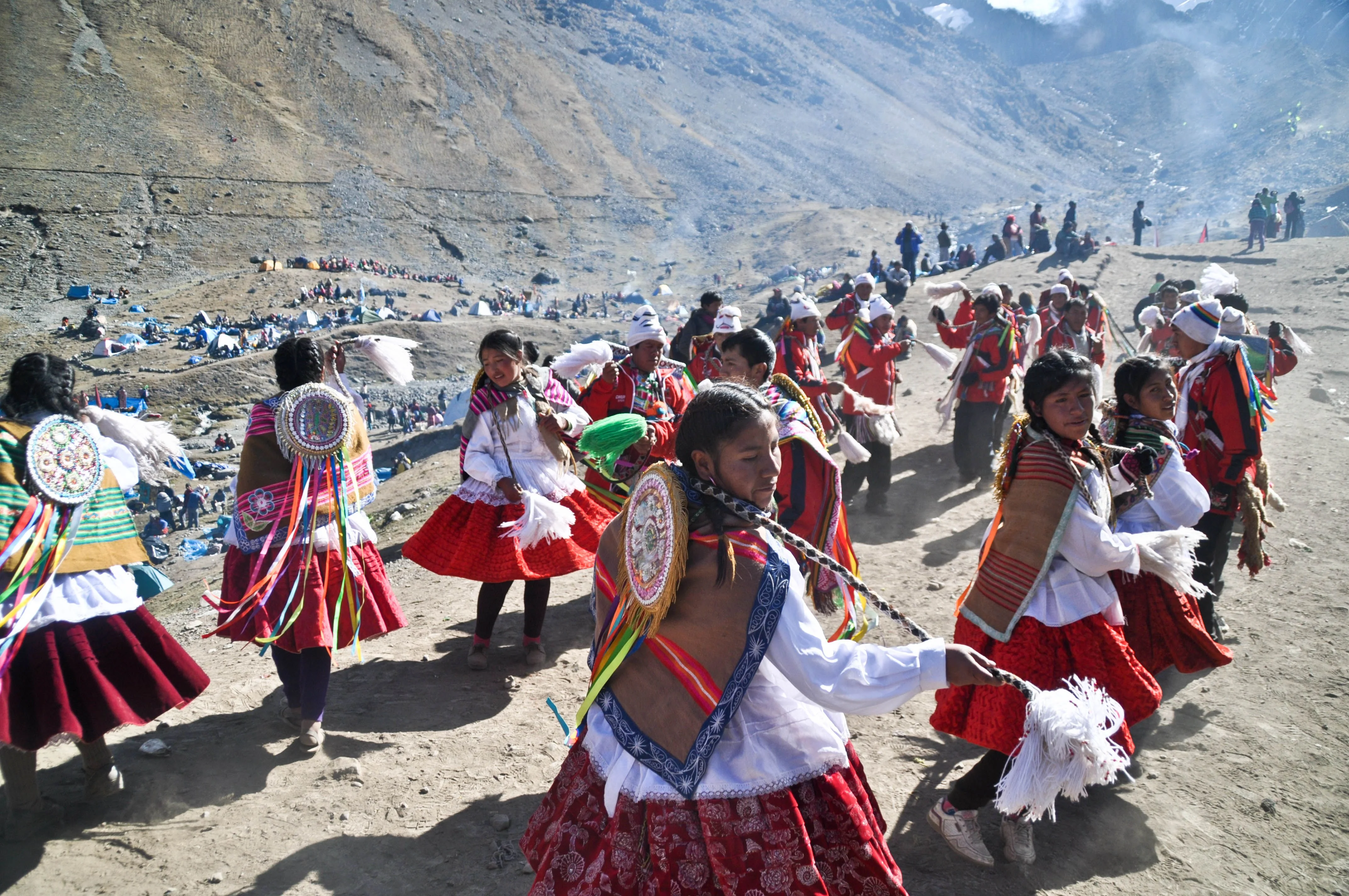
The Nations of the Qoyllur Rit'i

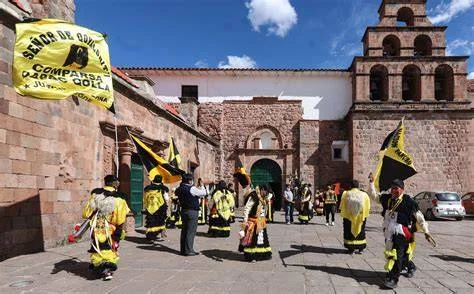
Ethnic groups from different regions who make a pilgrimage with their traditional dances and costumes

The Ukukus

The most emblematic characters. Dressed in costumes that represent the Andean bear, they are the guardians of order during the pilgrimage. They speak hoarsely and use whips. They are the only ones authorized to ascend the glacier. They represent the connection between the human and spiritual worlds.

The Qollas

Dancers of the Puna highlands. They wear colorful costumes with alpaca wool and llamas. Their dance simulates the herding of Andean camelids. They represent the merchants who traveled between Cusco and the highlands. Their music is characterized by panpipes and bass drums.

The Chunchos

They represent the inhabitants of the Amazon rainforest. They wear feathers, seed necklaces, and masks. Their dance is more agile and cheerful, symbolizing the freedom of the jungle. They play drums and flutes. They represent the Amazon region of Tahuantinsuyo.

The Paucartambinos

Dancers of Paucartambo. They wear elegant embroidered costumes and decorated hats. Its choreography is disciplined and synchronized. They represent the Inca nobility. They are known for their particular devotion to the Virgen del Carmen and the Lord of Qoyllur Rit'i.

Los Qhapaq Qolla

A variant of the qollas that represents noble merchants. They wear more elaborate costumes with gold and silver embroidery. They carry ceremonial staffs. Their dance is slower and more majestic, symbolizing the economic power of the merchants of the highlands.

The Contradanza

A dance of colonial origin that represents encounters between Spaniards and Incas. They wear capes, masks, and canes. Its choreography simulates ritual battles. They mix European and Andean elements, symbolizing the cultural miscegenation of Peru.

Legend of Marianito
SACRED LEGEND
UNESCO Heritage Site

The Legend of Marianito

The Origin of Devotion

According to legend, in the mid-eighteenth century, a shepherd boy named Mariano Mayta tended llamas on the slopes of the Ausangate. One day another boy with very white skin and blond hair appeared and became his friend. Together they herded and played. The parish priest of Ocongate, concerned about the stories of the white boy, went up to look for him thinking that he was a lost Spaniard.

The Miraculous Apparition

When the priest found the children, the white boy was transformed into the image of the Lord of Qoyllur Rit'i painted on a rock. Marianito, overwhelmed by the vision, died at that moment. His body was buried under the rock where the image of Christ appeared. Since then, thousands of devotees have made pilgrimages to the place to venerate the Lord who manifested himself as a shepherd child.

UNESCO recognition

In 2011, UNESCO declared the Qoyllur Rit'i as an Intangible Cultural Heritage of Humanity, recognizing its importance as a unique manifestation of religious syncretism. The pilgrimage represents the perfect fusion between the Catholic faith and the ancestral veneration of the Apus (sacred mountains). Today, more than 80,000 pilgrims from all over Peru and the world participate annually in this transformative spiritual experience.

Unique Spiritual Experience

Ready for this Holy Pilgrimage?

Join our guided expedition to Qoyllur Rit'i. Includes 4x4 transportation, full camping equipment, experienced high mountain guide, food, first aid and 24/7 assistance.

Specialized Guide
Equipment Included
Total Security
Book now with a discount!