 Español
  English
  Français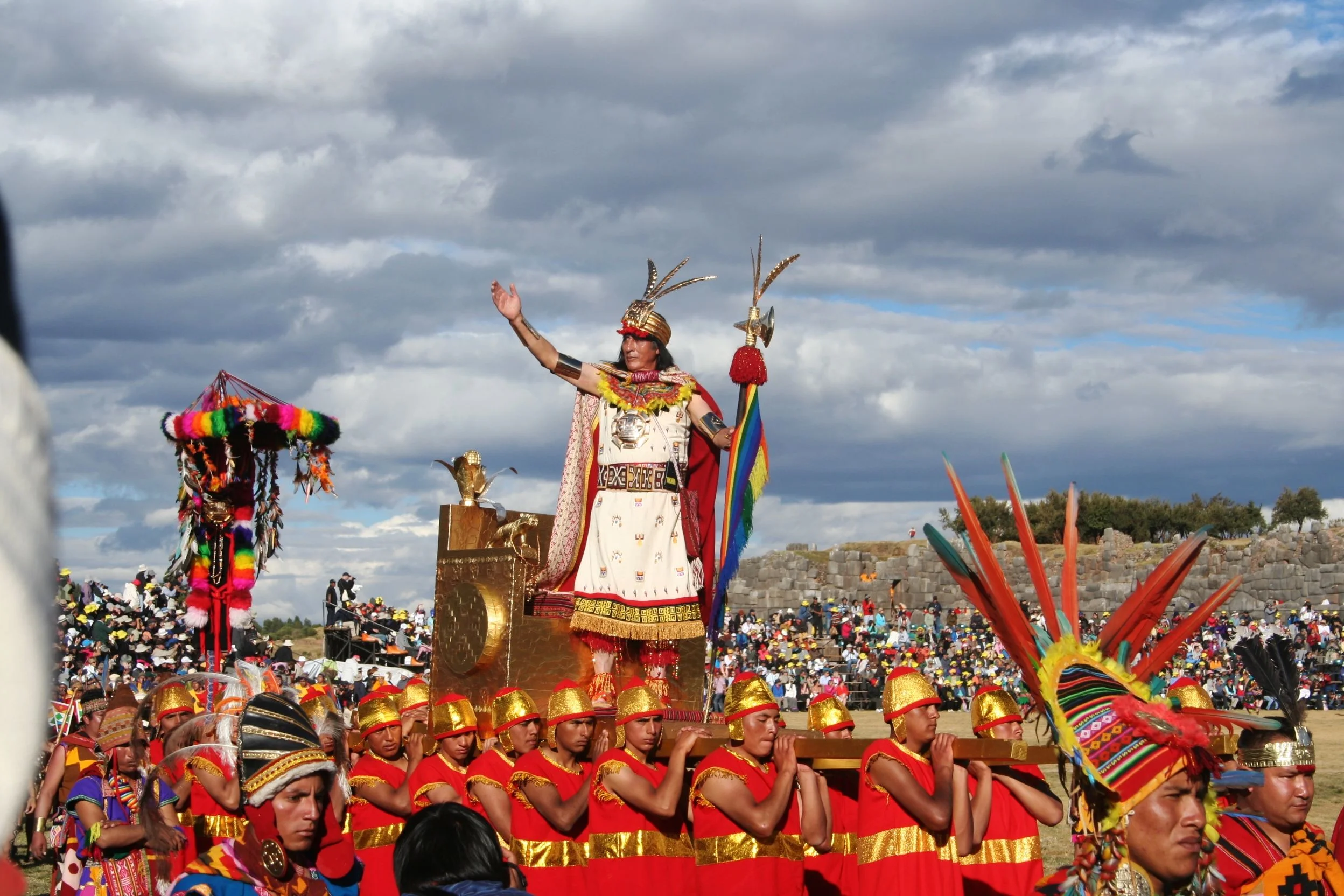
What is Inti Raymi?
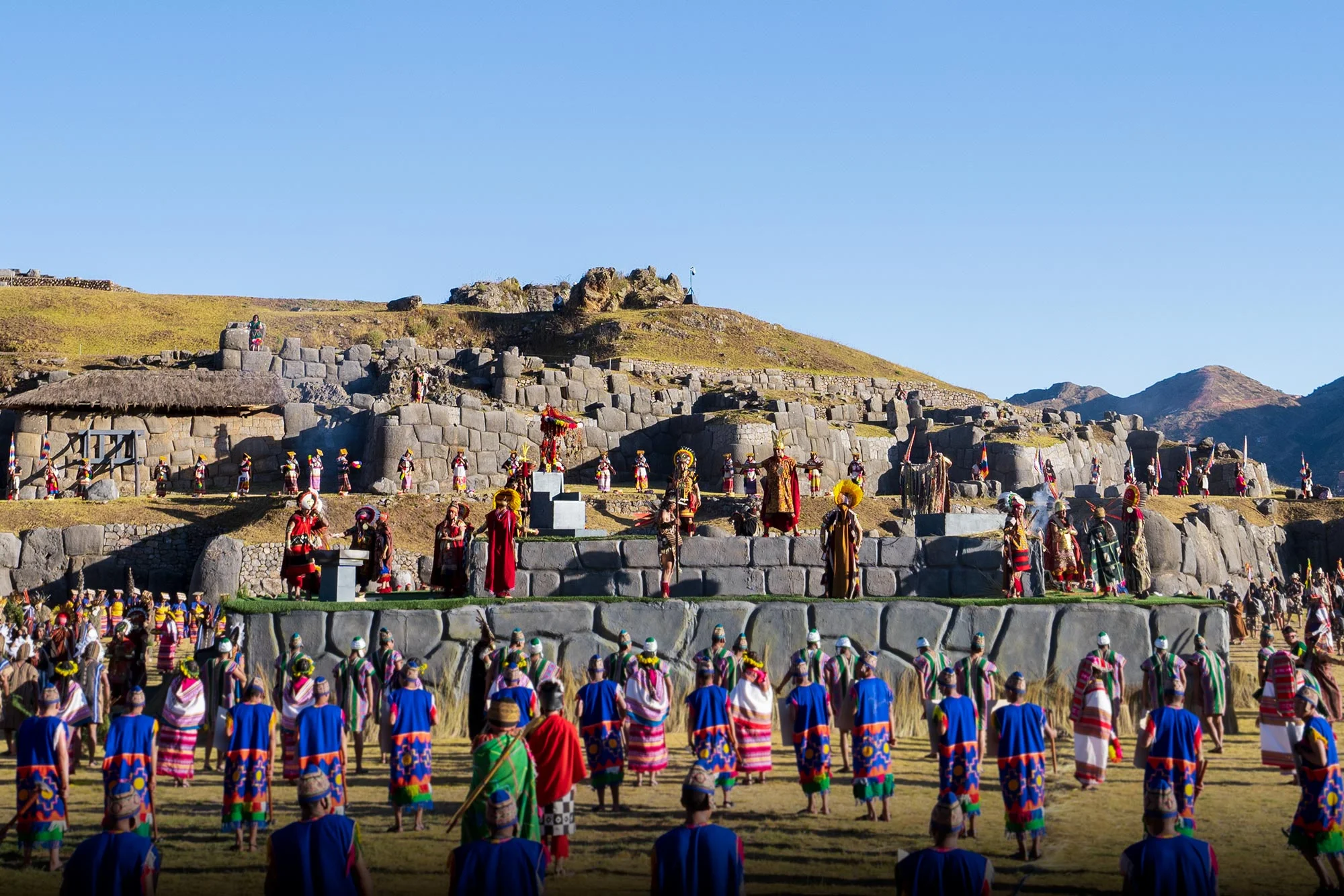
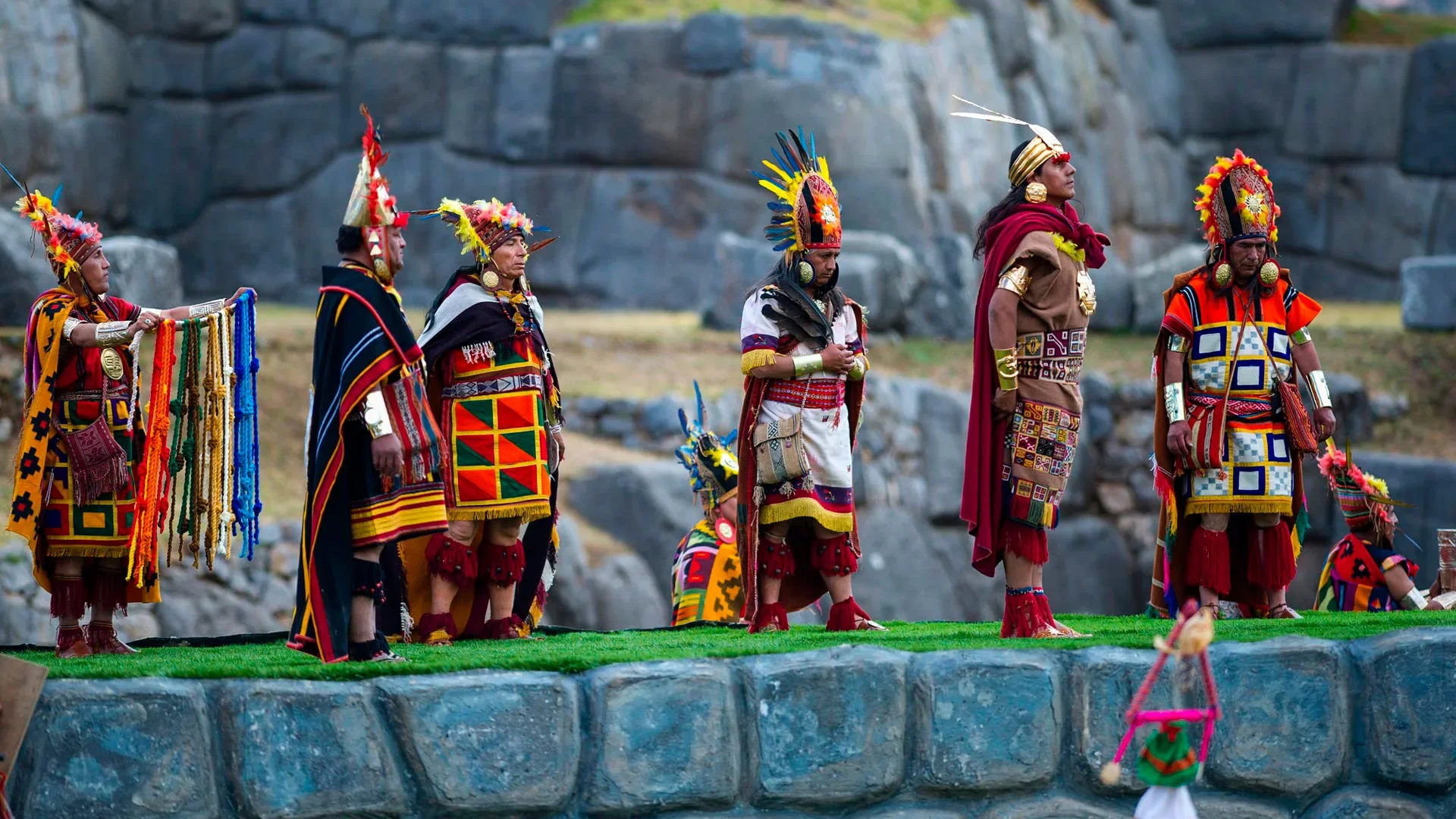
The Inti Raymi or "Festival of the Sun" is the most important celebration of the Inca calendar that pays homage to the Sun god (Inti). Every June 24, Cusco revives this ancestral ceremony with an impressive staging that attracts more than 100,000 spectators from all over the world.
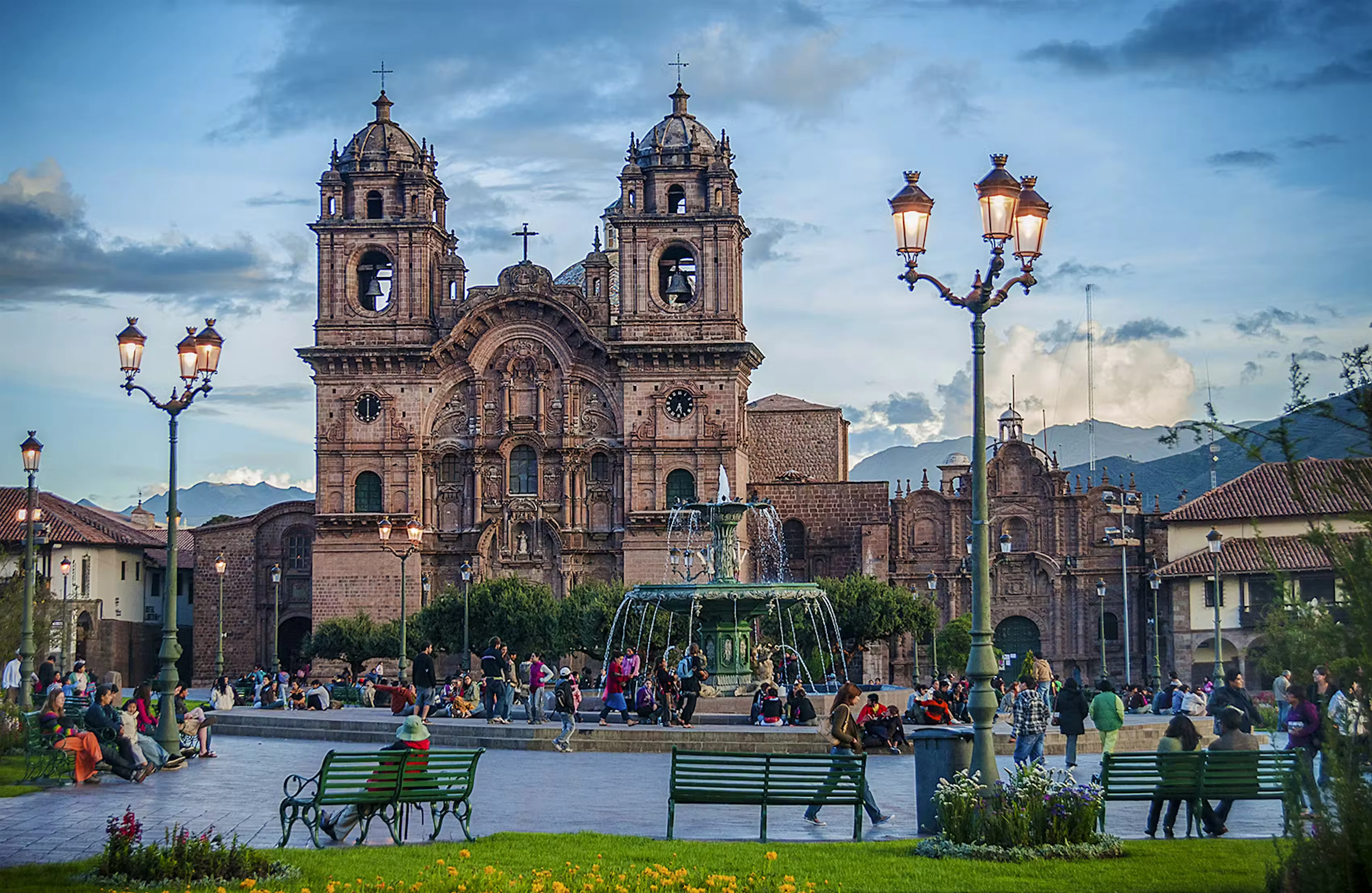
During the Inca Empire, this holiday marked the winter solstice in the southern hemisphere and it was the time to thank the Sun for the harvests received and ask for blessings for the coming year. The Sapa Inca, together with the nobility, performed solemn ceremonies in the Haukaypata square (current Plaza de Armas).
Declared Cultural Heritage in 2001
More than 500 actors participate
Restored in 1944 by Faustino Espinoza
Second most important festival in South America
June 24 (Winter Solstice)
9:00 AM - 4:00 PM (7 hours)
100,000+ annual viewers